Clapham Common waste collection rules to avoid fines
Posted on 15/07/2026
If you live, work, or manage property near Clapham Common, waste can become a surprisingly easy thing to get wrong. A bag left out too early, a bulky item put on the pavement without arranging collection, or garden waste mixed with the wrong stream can turn into avoidable hassle fast. In the real world, these mistakes are exactly the kind that lead to complaints, extra charges, or fines. This guide explains the Clapham Common waste collection rules to avoid fines in plain English, so you can stay compliant without overthinking every bin bag.
Truth be told, most people do not set out to break rules. They just want the rubbish gone before the weekend, before guests arrive, or before a move. Fair enough. But around a busy green space like Clapham Common, the expectations are a bit stricter than many people expect. You will do better if you know what belongs where, when to put it out, what not to leave behind, and when it makes sense to use a professional rubbish collection service.
This article walks through the practical side of waste handling near Clapham Common: the common mistakes, the compliance basics, the difference between household and bulky waste, and the simplest way to avoid getting caught out. If you want the bigger local picture too, it can help to read our Clapham living guide from residents or our Clapham High Street rubbish collection guide for residents.
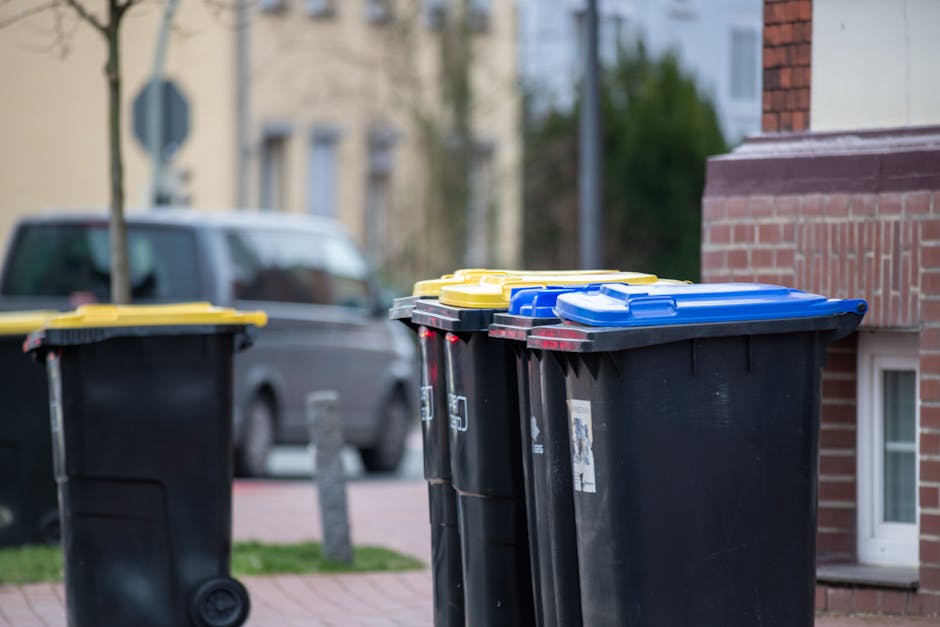
Why Clapham Common waste collection rules to avoid fines matter
Clapham Common is busy, visible, and heavily used. That matters because waste left in the wrong place does not just disappear quietly. It affects footpaths, attracts vermin, creates litter blow-through on windy days, and tends to annoy neighbours quickly. One overflowing bag by a shared boundary can become everyone's problem by Monday morning. That is usually when the phone calls start.
Fines are not the only risk, either. Some waste issues lead to removed items, collection refusals, or extra fees if a crew arrives and cannot legally take what you have put out. In a shared street, block, or landlord-managed property, one person's sloppy disposal can also create friction with the whole building. Nobody wants that awkward note on the communal board. Nobody.
There is also a local character issue. Clapham Common sits in an area where people care about the appearance of the streets, the park edges, and the everyday flow of residents, visitors, and businesses. Waste that is handled properly simply blends into the rhythm of the place. Waste that is not handled properly stands out. And fast.
If you are dealing with a bigger clear-out, our house clearance Clapham page and waste removal Clapham service overview can help you think through the right route before anything goes on the pavement.
How Clapham Common waste collection rules to avoid fines work
The basic idea is simple: different waste types need different handling, and they need to be presented in the right way at the right time. In practice, that means checking whether something is regular household rubbish, recyclable material, garden waste, bulky waste, or construction-type debris. Mixing those streams is one of the quickest ways to create a problem.
Most penalties and complaints happen because of presentation, not just the material itself. A bag may be acceptable in theory, but if it is outside too early, overfilled, torn open by birds, or left where it blocks access, it can still be treated as a breach of local expectations. The same goes for furniture, white goods, or renovation leftovers. Just placing it near the kerb is not a plan. It is a gamble.
Near Clapham Common, timing matters more than people realise. If collection is scheduled, put waste out only when it is meant to be out. If it is a booked private removal, make sure access is clear and all items are ready to load. If you are sharing a bin store or communal arrangement, respect the building's own rules as well as the wider area standards. In shared spaces, small delays and little shortcuts are where trouble starts.
There is also a practical difference between disposal and collection. Disposal means making sure the waste ends up in a legal and appropriate route. Collection is the physical removal. People often blur the two, then get stuck when a crew refuses mixed or hazardous waste. That is where our services overview can be useful as a starting point, especially if you want a clearer picture of what can be removed in one visit.
Key benefits and practical advantages
Following the rules is not only about avoiding a fine. It makes day-to-day life easier, cleaner, and less stressful. That sounds a bit obvious, but it is true. When waste is sorted and presented properly, collections are smoother, neighbours are happier, and the whole street feels more orderly.
- Less risk of enforcement action: Proper disposal reduces the chance of complaints, warning notices, or fines.
- Cleaner frontages and shared areas: Waste is less likely to spill, smell, or attract pests.
- Faster removal: Crews can work more efficiently when items are separated and accessible.
- Better recycling outcomes: Sorting waste properly improves the chances that recyclable material is handled correctly.
- Fewer disputes in shared buildings: Clear routines cut down on neighbour disagreements and management problems.
For many Clapham residents, the biggest benefit is peace of mind. If you know the bins are in order, the bags are not out early, and bulky items are handled properly, you stop worrying about a knock on the door or a complaint from the flat downstairs. Honestly, that alone is worth quite a lot.
For more on environmentally aware disposal habits, have a look at our recycling and sustainability page. It is a useful companion piece if you are trying to reduce waste in the first place.
Who this is for and when it makes sense
These rules matter to far more people than just homeowners. In fact, the most common issues often come from ordinary, everyday situations where someone simply needs waste gone quickly.
- Residents in flats or terraced homes who share bins, courtyards, or front access.
- Landlords and letting agents dealing with move-outs, abandoned items, or tenancy changeovers.
- Homeowners clearing lofts, garages, gardens, or spare rooms.
- Businesses near Clapham Common managing office clear-outs or regular refuse.
- People hosting events or parties who suddenly have more waste than usual.
- Builders and tradespeople handling renovation debris, packaging, and light construction waste.
A very normal scenario is this: it is Friday evening, you have just finished a room clear-out, and there are two chairs, a broken shelving unit, several bags of mixed waste, and a cardboard mountain. You do not want to drag it all back inside. Fair enough. But if the items do not fit the collection route, or if there is no clear booking, that pile can become a problem by sunrise. Same day decisions sound convenient until they are not.
If your situation is more than standard bin day waste, it is worth looking at specialist help such as builders waste disposal in Clapham, garden waste removal Clapham, or office clearance Clapham. Different waste types need different handling. That is the unglamorous truth of it.
Step-by-step guidance
Here is the simplest way to stay on the right side of local expectations and avoid unnecessary fines or failed collections.
- Identify the waste type. Separate general rubbish, recyclables, food waste, garden cuttings, bulky items, and any hazardous material. If you are unsure, treat the item cautiously rather than assuming it is fine.
- Check how much there is. A small bin bag problem is very different from a sofa, a mattress, or a kitchen rip-out. Volume changes the route.
- Use the correct container or collection method. Do not overfill sacks or force items into bins that are already full. Overflow is where things start to look sloppy and non-compliant.
- Keep the pavement clear. Bags and items should never block access, overhang walkways, or create trip hazards. In a place like Clapham Common, foot traffic can be steady from morning to evening.
- Put waste out at the right time. Too early is a common mistake. Too late means missed collection. Either way, it can lead to mess or enforcement.
- Book a proper removal route for bulky or mixed waste. Furniture, renovation debris, and mixed loads usually need a planned service, not a hopeful guess.
- Keep proof of booking and collection details. If there is any disagreement, you will want a simple record of what was arranged and when.
- Inspect the area after collection. A quick check catches dropped debris, broken glass, or loose packaging before it becomes someone else's complaint.
A small detail people miss: if waste sits outside all day, it does not just look untidy. It can also become a moving target for passers-by, animals, weather, and opportunistic fly-tipping. One gust of wind and suddenly your cardboard is halfway down the street. Not ideal.
Expert tips for better results
After dealing with enough clearances, there are a few habits that reliably make life easier. They are not complicated, but they save time.
- Sort before you move anything outside. Once a pile is on the pavement, people tend to mix it up again.
- Flatten cardboard and break down bulky packaging. It reduces volume dramatically and helps crews assess the load.
- Keep liquids, sharp objects, and loose fragments separate. That reduces safety risks for everyone handling the waste.
- Use strong bags and tape up loose edges. Torn bags are one of the most irritating causes of litter.
- Leave a clear path for removal teams. A cluttered hallway or locked gate turns a simple job into a slow one.
- Take photos before collection if the load is valuable or disputed. This is especially sensible in shared buildings.
If you are planning a bigger clear-out, it may be worth checking pricing and quotes in advance so you can compare options before the pile grows. A quick estimate today is usually less painful than an urgent booking tomorrow.
One more small thing: if you are clearing a property that has been lived in for years, expect hidden waste. Behind wardrobes, under sinks, in old sheds. The smell of old cardboard and damp wood is not exactly a highlight, but it is very real. Better to plan for it than be surprised halfway through.
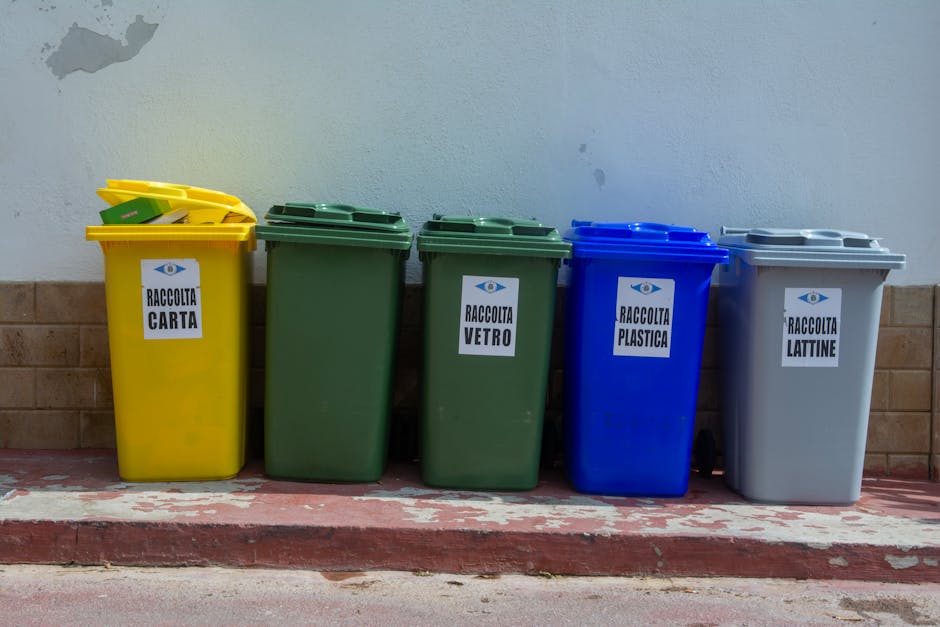
Common mistakes to avoid
Most fines and complaints come from the same handful of errors. Once you know them, they are easy enough to avoid.
- Putting waste out too early: This is one of the biggest causes of problems around residential streets.
- Mixing recyclables with general waste: It can contaminate the load and reduce the chances of proper processing.
- Leaving items on the pavement without booking collection: That is the classic "I'll deal with it later" mistake.
- Ignoring bulky waste rules: Sofas, mattresses, and cabinets need a proper route, not guesswork.
- Forgetting about garden waste: Cuttings, soil, and branches are not always handled the same way as household rubbish.
- Disposing of building debris casually: Renovation waste is where many good intentions go sideways.
- Assuming a neighbour's method is correct: Just because someone else leaves bags out a certain way does not mean it is allowed.
There is also the social mistake: assuming nobody cares. Around Clapham Common, people absolutely notice. The cleaner the area, the less friction there is. Simple as that.
Tools, resources and recommendations
You do not need a van full of equipment to manage waste well, but a few basic tools make a real difference.
- Heavy-duty bin bags: Better for mixed household rubbish and less likely to split.
- Gloves and dust sheets: Useful when sorting attic or garden clearances.
- Marker pens and labels: Handy for separating items by room, especially during house moves.
- Boxes and stackable crates: Better than loose piles when sorting reusable or recyclable items.
- Phone photos: A quick record helps if a landlord, resident, or contractor needs evidence of what was removed.
On the service side, it is worth using a company that is transparent about what it takes, how it handles access, and what happens if a load contains restricted items. Our insurance and safety information can help you understand the kind of care you should expect from a professional team.
If you want a broader sense of the company behind these services, the about us page gives useful context. And if you are comparing service types, the rubbish collection Clapham page can be a sensible next stop.
Law, compliance, standards, and best practice
Waste compliance in the UK is built around a simple principle: waste should be stored, presented, transferred, and disposed of responsibly. That includes keeping it separate where required, not fly-tipping, and using legitimate collection routes for items that cannot go in ordinary bins. The exact local rules can vary by property type and council area, so you should always check the current guidance for your address rather than relying on hearsay from the street group chat.
For Clapham Common residents and nearby businesses, best practice usually means three things. First, keep waste secure and contained. Second, separate streams where practical. Third, use a legitimate collection method for anything bulky, hazardous, or unusually large. That third point is where people get caught out most often.
There is a useful distinction between what is legal in principle and what is sensible in practice. A bag may be technically acceptable, but if it is likely to be ripped open, blocked by parked cars, or left in a communal area, it is not a good idea. The rules exist partly to prevent exactly that sort of chaos.
Special waste deserves special care. Paint, batteries, electrical items, sharp materials, and some renovation debris should not be handled as ordinary rubbish. If a load looks borderline, do not gamble. Separate it and ask before it is moved. That is far cheaper than dealing with a problem after the fact.
Options, methods, and comparison table
If you are deciding how to deal with waste near Clapham Common, the best option depends on volume, speed, and what the waste actually is. The table below gives a practical comparison.
| Method | Best for | Pros | Watch-outs |
|---|---|---|---|
| Regular bin collection | Everyday household waste | Simple, familiar, low effort | Limited capacity; easy to overfill |
| Communal bin use | Flats and shared buildings | Convenient for multiple residents | Misuse can cause overflow and complaints |
| Booked bulky waste removal | Sofas, mattresses, furniture | Clear route for awkward items | Needs correct booking and item preparation |
| Garden waste service | Cuttings, branches, soil | Keeps organic waste separate | Not all garden material is accepted the same way |
| Professional rubbish collection | Mixed loads, time-sensitive clear-outs | Fast, practical, less stress | Choose the right service for the load |
In many cases, the practical answer is not the cheapest on paper. It is the option that gets the waste removed correctly the first time. That is where you save time, avoid repeat handling, and reduce the risk of a fine or refusal.
If you are dealing with outdoor waste specifically, the garden waste removal Clapham service is worth considering. For cluttered homes or inherited properties, house clearance Clapham is often the better fit.
Case study or real-world example
Here is a typical scenario from around Clapham Common. A resident clears out a spare room on a Sunday afternoon. They end up with a broken desk, old bedding, cardboard boxes, and a few mixed black bags. It feels manageable, so they leave everything near the front railings ready for "tomorrow's collection."
By Monday morning, the cardboard has blown apart, the bags have been picked at by gulls, and the desk has been moved by someone trying to squeeze past with a buggy. Neighbours are irritated, the front looks messy, and the load is no longer neat enough for a quick pickup. What started as a simple plan has become a nuisance. This is exactly how small waste mistakes turn into complaints.
Now compare that with a better approach. The resident sorts cardboard flat, keeps bedding in sealed bags, separates anything reusable, and books a proper collection for the desk and mixed waste. Everything goes out at the correct time, is easy to load, and is gone before it can spread across the pavement. No drama. No awkward messages. Just done.
That second version is boring, frankly. But boring is good in waste management. Boring means nothing went wrong.
Practical checklist
Use this quick checklist before you leave waste outside or book a collection near Clapham Common.
- Have I identified the waste type correctly?
- Is anything hazardous, sharp, or restricted?
- Is the load separated into sensible groups?
- Have I avoided overfilling bags or bins?
- Will the waste block access, pathways, or communal space?
- Have I confirmed the right day and time for collection?
- Do I need a bulky waste or specialist service?
- Is the area tidy enough that nothing will blow away or spill?
- Do I have proof of booking or instructions if needed?
- Have I checked the waste once more before it leaves the property?
If you can tick most of those boxes, you are usually in good shape. If not, pause and sort it properly. One extra ten minutes now can save a lot of annoyance later.
Get a free quote today and see how much you can save.
Conclusion
Clapham Common waste collection rules to avoid fines are not there to make life difficult. They exist to keep streets cleaner, collections smoother, and shared spaces safer for everyone. Once you understand the basics, the whole thing becomes much easier: sort the waste, present it properly, respect the timing, and use the right collection method for the job.
The easiest mistakes to avoid are also the most common ones: putting waste out too early, mixing waste types, leaving bulky items unmanaged, and assuming a quick fix will somehow pass unnoticed. It rarely does. A little care goes a long way here, and honestly, most people feel better once the area is clean and the job is properly finished.
If you are unsure, choose the safer route rather than the faster one. That is usually the smartest move, and it keeps the whole neighbourhood running a bit more smoothly. Simple, really.
 Tipper Van - Rubbish Removal and Attic Clearance Prices in Clapham, SW4
 Luton Van - Rubbish Removal and Attic Clearance Prices in Clapham, SW4