What to know about Lambeth Council rubbish collection rules
Posted on 26/08/2026
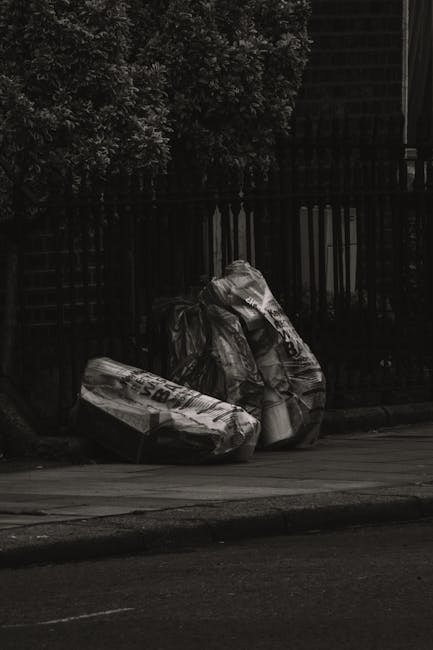
If you live in Lambeth, rent there, manage a block, or are just trying to get a stubborn heap of rubbish out of the way without causing a fuss, the rules can feel oddly specific. Bags out too early, the wrong recycling mix, bulky waste left on the pavement, missed collection day - and suddenly you are the person everyone is looking at from behind the curtains.
This guide explains what to know about Lambeth Council rubbish collection rules in plain English. We will walk through how the system generally works, what residents need to watch for, where people usually go wrong, and how to keep things tidy, lawful, and a bit less stressful. Along the way, you will also get practical tips that make day-to-day rubbish handling easier, especially in busy streets, flats, and shared homes where space is at a premium. Truth be told, that is most of Lambeth in one form or another.
Whether you are sorting household waste, extra bags after a clear-out, or awkward items that do not fit neatly into a wheelie bin, the aim is simple: help you avoid preventable problems and handle waste the right way.
Why the Lambeth Council rules matter
Rubbish collection rules are not just a bit of admin. They shape how clean the street feels, how smoothly collections run, and whether waste stays where it belongs. In dense parts of Lambeth, a few extra bags left out at the wrong time can quickly become a nuisance for neighbours, pedestrians, and collection crews alike.
There is also a practical side. When rubbish is presented correctly, it is more likely to be collected on time and less likely to spill, split, or attract pests. That matters on a damp winter morning when foxes have been out overnight and a bag has been torn open before breakfast. Not glamorous, but very real.
The rules matter even more if you live in a flat, share bins with other households, run a small office, or are clearing out a property. Shared waste systems can be brittle. One person doing the wrong thing can create problems for everyone else, which is a lovely recipe for a passive-aggressive note on the bin store wall.
And if you are in a part of Lambeth where the streets are already tight, busy, or heavily parked, poor waste handling can make access harder for everyone. That is why local awareness is worth having, even if you only deal with it once a week.
Expert summary: The safest approach is to treat Lambeth waste rules as a set of everyday habits: sort properly, present on time, keep pavements clear, and use special disposal routes for bulky or awkward items. Small effort now saves bigger headaches later.
How the collection system works
At a basic level, Lambeth Council rubbish collection is about separating household waste into the correct streams, putting it out at the correct time, and using the right container or service for the type of item you need removed. That sounds straightforward. In practice, the details are where people slip up.
1. General waste
This is the everyday rubbish that cannot be recycled through the usual local system. Think food packaging, contaminated items, and other mixed refuse that has no better home. The main point is to keep it contained, bagged properly, and put out as instructed.
2. Recycling
Recycling is where clear sorting matters most. Clean paper, cardboard, metals, glass, and certain plastics often belong here, but contamination changes everything. A greasy pizza box or food-soiled packaging can spoil a load. One wrong item can be enough to cause problems, which is frustrating, but that is the reality.
3. Food waste
Many homes in London now separate food waste. The exact setup can vary by property type, but the principle is the same: keep food scraps apart from general waste where a separate food-waste service exists. A small caddy under the sink can make this easier than people expect.
4. Garden waste and bulky items
Garden waste, bulky household items, furniture, white goods, and similar items usually need separate handling. They generally do not belong in normal bins, and leaving them beside a full refuse container is not a workaround. It is often just an extra problem waiting to happen.
If you are dealing with larger clear-outs, it helps to think beyond the council bin system. Services such as waste removal in Clapham or rubbish collection support can be useful when you have more waste than the normal household route can comfortably handle.
5. Timing and presentation
Collection timing is one of the most overlooked parts of the process. Set waste out too early and it can block the pavement or attract attention you do not want. Set it out too late and it may be missed entirely. In a busy street, timing is everything, really.
For residents near commercial strips or mixed-use buildings, it also helps to understand the rhythm of the street. A morning collection route can be very different from an evening one, and access issues often pop up when bins are placed where parked cars, scooters, or trade vehicles get in the way.
Key benefits and practical advantages
Following the rules properly is not just about avoiding a telling-off. There are some proper day-to-day benefits.
- Cleaner shared spaces: Less overflow, fewer smells, and fewer stray bags on the pavement.
- Lower contamination risk: Better recycling outcomes when materials are sorted correctly.
- Fewer missed collections: Crews can do their job faster when waste is presented correctly.
- Less neighbour friction: Shared bin areas stay calmer when everyone does their bit.
- Reduced pest attraction: Proper containment helps deter foxes, seagulls, rats, and other opportunists.
- Safer walkways: Fewer obstructions for prams, wheelchairs, delivery drivers, and pedestrians.
There is a quieter benefit too: it gives you a routine. Once you know what goes where, rubbish stops feeling like a weekly scramble and becomes just another small household system. Not exciting, admittedly, but very useful.
For people renovating or moving, the benefit is even bigger. Clear rules help you decide whether to use council collection, a one-off clearance, or a specialist service. That makes planning much easier and often saves time on a day when you have enough going on already.
If you are comparing options, the local guides on pricing and quotes and house clearance support can also help you think through the practical side without overcommitting too early.
Who this is for and when it makes sense
This topic is relevant to a lot more people than just long-term homeowners. In Lambeth, waste rules affect a wide mix of residents and property types.
Households in flats
If you live in a converted house, mansion block, estate, or modern apartment building, the chances are you share bins or bin stores. That brings extra responsibility because space is limited and mistakes are visible. Everyone notices when a bin lid will not shut.
Families in terraced homes
Households with children often produce more waste than expected - snack wrappers, packaging, school-related clutter, broken toys, the odd mystery item. You may not need a major rubbish service, but you do need a working routine.
Landlords and letting agents
Property managers need to keep waste arrangements clear for tenants, especially between occupancies. A lot of avoidable mess happens during move-out week when people are half-packed and half-stressed. If you handle rental property, being organised here is worth its weight in gold.
Small businesses and offices
Offices and small premises can produce mixed waste streams that do not fit standard domestic assumptions. If you are clearing old desks, paperwork, or IT clutter, a dedicated route makes more sense than trying to squeeze everything into regular bins. In that case, an office clearance service is often the cleaner solution.
People doing a clear-out or move
When you are moving house, replacing furniture, or finally tackling the spare room, normal collection rules may not be enough. That is when the decision shifts from "How do I put this out?" to "What is the most sensible disposal method?"
As a rule of thumb, if the waste is bulky, awkward, or generated in a one-off burst, the council bin system may not be the right fit. And that is okay.
Step-by-step guidance
Here is the easiest way to handle rubbish collection in Lambeth without overthinking it.
- Identify the waste type. Separate general waste, recycling, food waste, garden waste, and bulky items before you do anything else.
- Check the container you actually have. Shared bins, household bins, caddies, and communal stores all work differently. Do not assume every home uses the same setup.
- Keep recyclables clean and dry where possible. Food residue is one of the main reasons loads get contaminated. A quick rinse can make a difference.
- Use the correct bagging method. General waste should be secure. Loose rubbish is where spillage and pest problems begin.
- Place bins or bags out at the correct time. Follow the local collection rhythm and avoid leaving them on the street for long periods.
- Make sure access is clear. Crews need to reach containers safely. Keep cars, bikes, planters, and random clutter away from the route.
- Separate bulky or specialist items early. Furniture, appliances, and renovation waste should be dealt with through the right channel, not left as a last-minute afterthought.
- Bring containers back in quickly. Once the collection has happened, reduce street clutter and return bins to their normal place.
That sequence sounds almost too basic, but it works. The homes and buildings that stay on top of waste are usually not doing anything dramatic. They are simply being consistent.
Practical example
Say you are clearing a flat after a tenancy ends. There are a few black bags, some cardboard boxes, an old bedside table, and broken kitchen bits. In a rush, it is tempting to leave everything together and hope for the best. Better approach? Bag the household waste, flatten and separate the cardboard if recyclable, and treat the furniture as a separate item. Much less drama.
Expert tips for better results
A few habits make a surprisingly large difference.
- Keep a small sorting station indoors. One bag for general waste, one container for recycling, and one for food waste if applicable.
- Flatten cardboard before collection day. It saves space and stops boxes from acting like wind traps on the pavement.
- Do not overfill bags. Heavy or split bags are awkward for everyone and can create mess fast.
- Watch for mixed materials. Items made of more than one material often need a bit of judgement. If in doubt, separate the parts.
- Use a clear-out day before moving or hosting. A quick pre-event tidy prevents last-minute pile-ups. You will thank yourself later.
- Protect shared bin areas. In communal blocks, label bins if needed and keep lids working properly.
A slightly old-fashioned but effective tip: put a note in your phone for collection days and a reminder the night before. Simple, yes. But it stops the "oh no, the bags are still in the kitchen" moment at 7.45am.
If you are handling green waste after pruning, a dedicated route can help. For example, garden waste removal in Clapham is often more practical for larger cutbacks than trying to force everything through standard household bins.

Common mistakes to avoid
This is where most problems start. And usually it is something small.
Putting out the wrong material
Recycling contamination is a classic issue. Dirty takeaway containers, leftover food, and mixed plastics can all cause trouble. One greasy item does not ruin your whole life, obviously, but it can ruin a bin load.
Leaving waste out too early
This creates clutter and can lead to bags getting torn open before collection. On a damp morning, that smell can be enough to clear a doorstep very quickly.
Using pavements as overflow space
Leaving excess rubbish beside bins is a common mistake, especially after moves or deliveries. It looks temporary to you. To everyone else, it looks like an unmanaged dump.
Ignoring bulky waste rules
Furniture, mattresses, appliances, and renovation debris usually need separate arrangements. Do not assume they will be taken with normal household rubbish.

Not coordinating in shared buildings
If everyone in a block is doing their own thing, bins fill unevenly and become unusable. A little coordination avoids a lot of argument.
Forgetting about access
It is easy to overlook bins behind parked cars, locked gates, or narrow passageways. Yet access issues are one of the main reasons collections become messy or delayed.
For awkward access or heavier waste loads, it can be smarter to look at specialist local help like builders waste disposal in Clapham or even the Clapham Junction skip hire guide for tight access jobs if your situation is more complex than a normal bin day.
Tools, resources and recommendations
You do not need much to manage waste well, but the right tools help.
- Indoor sorting bins: Separate compartments make recycling simpler.
- Small food caddy: Useful for keeping kitchen scraps contained.
- Fold-flat boxes or storage sacks: Handy for temporary clear-outs.
- Marker labels: Especially useful in shared houses or bin stores.
- Reusable gloves and a basic cleaning kit: Good for dealing with spills or moving waste safely.
- Phone reminders: A quiet but effective way to stay on schedule.
If you are weighing up a larger disposal job, it helps to compare your options before anything piles up. The pages on services overview and waste removal in Clapham are useful starting points when the normal bin route is not enough.
For general trust and transparency, it can also be sensible to review a company's insurance and safety information, plus its recycling and sustainability approach. That is just good practice, no matter who you hire.
Law, compliance, standards and best practice
While this article is focused on practical guidance rather than legal advice, rubbish handling in London does sit inside wider UK waste expectations. In everyday terms, that means residents and businesses should avoid fly-tipping, prevent waste from obstructing public space, and ensure waste is stored and presented safely.
The most reliable best practice is simple: keep waste in the right container, present it at the right time, and use a proper disposal route for items that do not fit normal household collection. That sounds obvious, but most waste problems come from people skipping one of those steps.
In shared buildings, duty of care becomes a practical issue too. Property managers, landlords, and tenants all need to avoid creating nuisance or health hazards. Nobody wants bins left rotting in a communal area because "someone else was meant to sort it." It happens. Too often.
For trade, renovation, or office waste, it is especially important to use disposal methods suited to the material. Construction debris, electricals, and mixed clear-out waste should not be treated like ordinary household rubbish. If the waste stream is more complex, specialist handling is the safer route.
Best practice also includes record-keeping where relevant, checking access arrangements in advance, and making sure waste is not left in a way that blocks pavements, gates, or emergency routes. In a built-up borough like Lambeth, these small points matter more than they might in a quieter suburb.
Options, methods, and comparison table
If you are deciding how to deal with rubbish in Lambeth, it helps to compare the main approaches side by side.
| Method | Best for | Pros | Watch-outs |
|---|---|---|---|
| Routine council collection | Normal household waste, recycling, and day-to-day disposal | Convenient, familiar, works well when sorted properly | Limited by container size, timing, and item type |
| Bulky waste collection route | Furniture, appliances, and one-off large items | Designed for awkward or oversized items | May need planning, booking, or item preparation |
| Private rubbish collection | Mixed clear-outs, urgent jobs, or larger volumes | Flexible, quicker for bigger tasks, less strain on household bins | Costs vary and you should compare what is included |
| Skip hire | Renovation waste or larger ongoing projects | Useful for staged work and heavier loads | Access, placement, and permit considerations can apply |
There is no single winner. A small flat clean-up may only need a bin-day reset, while a move-out or refurbishment might need a proper waste removal plan. The right choice is the one that matches the size and type of waste, not the one that sounds easiest in the moment.
If you want a more budget-focused breakdown, the article on SW4 rubbish removal costs and cheap same-day options is a useful companion read. And if you are simply trying to understand everyday resident expectations on specific streets, the Clapham High Street rubbish collection guide for residents may also be handy.
Case study or real-world example
Imagine a couple moving out of a flat in Lambeth on a Friday afternoon. They have a sofa, two chairs, a few boxes of mixed household bits, and a mountain of cardboard from the packing frenzy. By the time they are done, the hallway looks like a small warehouse. It is one of those evenings when the kettle is always on and nobody can find the tape.
The sensible move is not to dump everything at the bin store and hope the problem disappears. Instead, they separate cardboard for recycling, bag the general waste, and deal with the large furniture through a proper removal route. That keeps the building tidy, avoids blocking shared access, and means they are not starting the weekend with a complaint from the neighbours.
That is the pattern, really. Good waste handling is less about perfection and more about reducing friction. One clean decision at the right moment saves a dozen messy ones later.
For people combining a move with a full clear-out, a service such as house clearance in Clapham can be the more practical route. Not always needed, but very useful when the pile is bigger than the bins can reasonably handle.
Practical checklist
Use this before collection day or before you arrange disposal.
- Have I separated general waste, recycling, and food waste?
- Are any items contaminated, wet, or mixed together?
- Do I know which items are bulky and need separate handling?
- Are bags sealed and not likely to split?
- Are bins or bags being put out at the right time?
- Will collection crews have clear access?
- Have I removed cardboard, packaging, or loose items that could blow away?
- Do I need a specialist service for furniture, renovation waste, or office items?
- Have I checked the bin store or communal area for overflow?
- Have I planned what comes back inside after collection?
If you can tick most of those off, you are usually in good shape. If a few are no, pause and sort it properly. It is nearly always worth the extra ten minutes.
Conclusion
Knowing what to know about Lambeth Council rubbish collection rules is really about making everyday life easier. The rules help keep streets cleaner, collections smoother, and shared spaces more manageable. They also help you decide when council collection is enough and when a different disposal route makes more sense.
Once you get the rhythm - sort carefully, present waste properly, and separate bulky items early - the whole thing becomes much less annoying. Not perfect, not magical, just easier. And in a busy borough, easier is good.
If your rubbish is starting to outgrow your bins, or you need help with a larger one-off job, it is worth comparing options calmly rather than waiting for the pile to become a problem.
Get a free quote today and see how much you can save.
At the end of the day, a clean doorstep and a clear mind are both underrated.
 Tipper Van - Rubbish Removal and Attic Clearance Prices in Clapham, SW4
 Luton Van - Rubbish Removal and Attic Clearance Prices in Clapham, SW4